Author: Christian Diewold

  • Untitled post 13428

    Press Report

    Reliable High-Speed Can Filling at Estrella Damm

    The Damm brewery in Barcelona relies on inspection technology from BBULL Technology to monitor its high-performance canning line.

    Customer Estrella Damm / Damm Brewery
    Application High-Speed Can Inspection
    Systems IMAGE ECI & IMAGE 360
    Source BRAUINDUSTRIE 10/2025

    Reliable High-Speed Can Filling

    Estrella Damm relies fully on BBULL systems for can inspection

    The Damm brewery in Barcelona looks back on almost 150 years of history and is now one of the largest breweries in Spain. A significant share of its production is exported to Portugal and England. At the modern brewery, filling is carried out mainly in cans. For inspection of integrity, foreign object detection, matching of contents and printed design, as well as completeness and readability of the best-before date, Damm relies on inspection technology from BBULL Technology in Königsbach-Stein.

    A brewery with history and modern production

    The brewery was founded in 1876. Its flagship brand, Estrella Damm, is still brewed according to the original recipe. In addition to Estrella Damm, other beers such as Voll Damm, the gluten-free Daura and Inedit are produced in Barcelona. Today, the brewery also produces and fills a wide range of non-alcoholic beverages.
    The brewery’s production areas are spaciously designed. The white-and-red brewery site houses four large bottling lines, two high-speed keg lines and three powerful canning lines. The capacity of the canning lines ranges from 60,000 to 90,000 cans per hour.

    Almost everything runs automatically

    In the canning halls, the high level of automation is especially noticeable. Empty cans are retrieved from extensive storage areas, pallets are transported and fed to the depalletizers. Many of these steps are handled by autonomous forklift vehicles.
    The aluminum cans then move at high speed through the hall on special conveyors. They are rinsed, checked for damage and foreign objects, and inspected to ensure that they match the intended filling product. The cans are then filled, sealed, pasteurized and palletized.
    The brewery also uses modern solutions for packaging. Multipacks such as 6-, 8- or 12-packs are no longer wrapped in plastic film, but grouped with cardboard. According to Javier Sanchez, project engineer and member of Damm’s technical management team, the brewery was an early adopter of this approach in Spain.
    Can and contents must match
    Due to strong sales growth, production has been continuously expanded in recent years. One key project was the new canning line 19. The line was designed for an output of up to 90,000 cans per hour and runs around the clock during peak season.
    For Damm, maximum safety was essential. Damaged or deformed cans could cause serious problems in the filler or seamer. At the same time, it must be ensured that the contents and printed design of each can match exactly. A mix-up would be particularly critical for alcohol-free or gluten-free products.
    Each product therefore carries a unique barcode that must be checked and verified. A correctly applied and fully readable best-before date is just as important. Faulty or incompletely printed cans must be reliably detected and rejected.

    BBULL Technology supplies multi-camera system

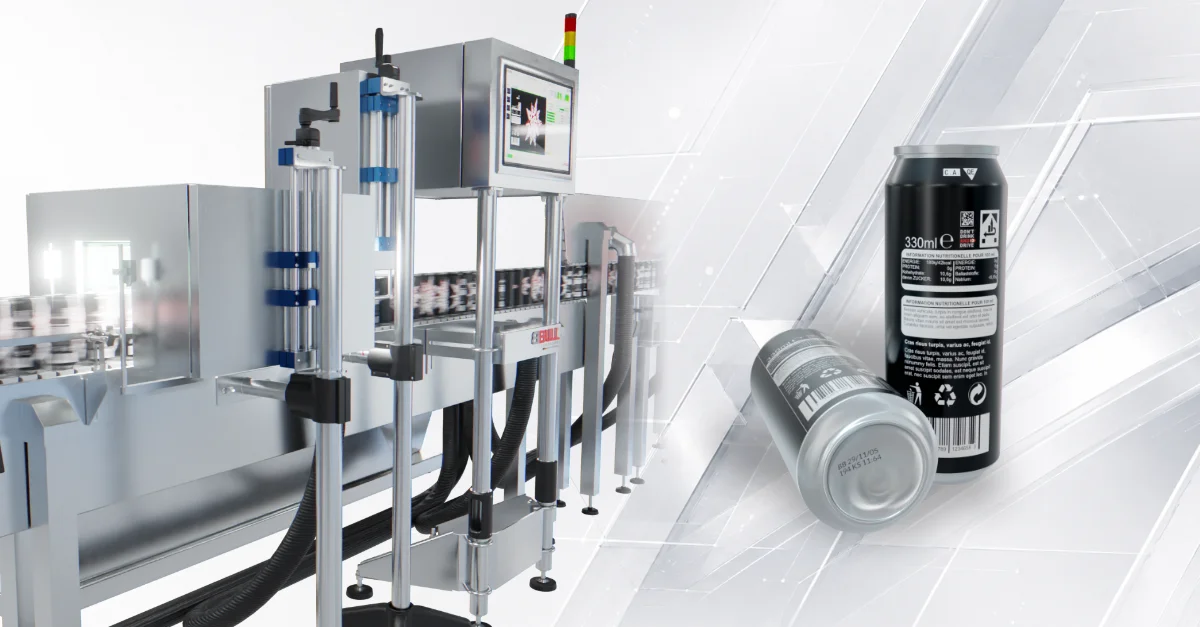
    After a thorough evaluation, Damm chose BBULL Technology. For canning line 19, BBULL supplied a multi-camera system consisting of the IMAGE ECI empty can inspection system and the IMAGE 360 label and decoration inspection system.
    The BBULL Technology group from Königsbach-Stein has specialized for decades in inspection systems, sorting and distribution technology, as well as transport and conveyor technology for the beverage and food industries. In Germany, BBULL develops and manufactures numerous container and packaging inspection systems, as well as customer- and product-specific sorting, distribution and rejection systems.
    In Spain, the project was carried out in cooperation with Sicopack, BBULL’s local partner for sales and service.

    IMAGE ECI checks for deformation, damage and contamination

    IMAGE ECI is used for early detection of damage and contamination. The aim is to minimize waste, prevent disruptions at the filler and seamer and, in the worst case, avoid product recalls.
    The system detects even small defects and contaminants using special camera optics and lighting for the relevant areas of the can. It is suitable for common can sizes and can be used regardless of material, such as steel or aluminum.
    Inspection points include the can flange, top panel, roundness, dents, contamination on the bottom and the inner side wall. High-performance cameras capture images of every can. Ring light illumination ensures uniform lighting. Faulty cans are reliably rejected. Operation and visualization are handled via a 21-inch color display.

    IMAGE 360 verifies print, barcode and best-before date

    Downstream, IMAGE 360 checks the correct product type via barcode at high filling speeds. This ensures that contents and design match. Multiple cameras capture the product from different angles and provide a comprehensive view.
    The images are combined and processed by the software. The system analyzes shapes and colors and compares them with predefined standards. It then detects the correct filling date and best-before date on the can bottom. Cans with detected defects or issues are reliably rejected.

    Transport technology as the basis for stable inspection

    Another project partner was HF Meyer from Neustadt in Holstein. The company specializes in can handling and contributed its experience with can conveyors, vacuum bridges and can rinsers.
    For the Damm project, HF Meyer supplied special conveyors to ensure that the containers always assume a precisely defined position under the inspection unit. In addition, a vacuum tunnel is used to hold the cans from above. This allows them to be reliably marked with filling and best-before dates. The tunnel is used for inkjet coding and is already prepared for later laser coding.

    Promised — and delivered

    For Damm, it was crucial to reliably detect every single can, even with minimal spacing between them. A small gap between the containers helps keep the line stable at high speed without unnecessarily pushing the limits of process safety.
    Javier Sanchez summarizes the result positively: BBULL promised very high reliability and delivered on that promise in the project.
    Source note
    Text basis: Bert Brosch, published in BRAUINDUSTRIE 10/2025. Published on bbull.com with the kind permission of the author. This text was editorially cleaned up from a scanned source and structured for web presentation.
    Optional note in the article: You can view the original article as a PDF here.
    Source: Text: Bert Brosch. Published in BRAUINDUSTRIE 10/2025. Published on bbull.com with the kind permission of the author.
    View original german article as PDF
  • Maximizing Filler Efficiency: Understanding Container Flow in Beverage Production

    Maximizing Filler Efficiency: Understanding Container Flow in Beverage Production

    In high-speed beverage production, every detail matters. From the moment empty containers enter the line to when they are sealed and packaged, efficiency is key. Maintaining smooth and continuous container flow requires a well-coordinated production process where each machine plays a role.

    Why Do Gaps in the Container Stream Occur?

    Gaps in the container stream can form due to various factors, all of which impact the filler’s efficiency:

    • Upstream Supply Variability: Depalletizers, rinsers, and unscramblers may not supply a perfectly even stream of containers. Momentary slowdowns, micro-stops, or supply fluctuations can introduce gaps before the filler.
    • Quality Control Ejections: Inspection systems ensure only fault-free containers continue down the line. However, removing underfilled cans, misaligned caps, or damaged bottles naturally creates occasional gaps.
    • Machine Speed Mismatches: If the speed of upstream and downstream equipment isn’t well synchronized, containers may bunch together or space out, disrupting the filler’s rhythm.
    • Minor Line Stops and Adjustments: Small operational pauses—whether due to maintenance, changeovers, or label roll changes—can briefly interrupt the container stream.

    The Impact of Gaps on Filler Efficiency

    A beverage filler operates at peak efficiency when every filling head is utilized in each cycle. When gaps occur, several inefficiencies arise:

    • Starved Filler = Lost Production: Every missing container means an empty filler head and a missed opportunity to produce a saleable unit.
    • Frequent Start/Stop Cycles: Large or frequent gaps force the filler to pause, reducing overall throughput and leading to inefficient production cycles.
    • Backpressure and Jams: If gaps travel downstream unpredictably, machines may cycle between idling and surging, increasing the risk of product misalignment or damage.
    • Process and Quality Control Issues: Inconsistent flow affects fill-level precision, carbonation retention, and other product quality factors, particularly in carbonated beverages.

    Common Misconceptions About Production Line Efficiency

    1. “Quality Control Should Maintain a Full Container Stream”
      Quality control ensures product integrity by removing defective containers, but it does not replace missing units. Instead, production lines must be designed to accommodate these necessary rejections while maintaining steady output.
    2. “Running Machines at Maximum Speed Maximizes Efficiency”
      While high speeds seem beneficial, they can cause congestion, misfeeds, or excessive wear. A balanced, well-synchronized line with slight speed adjustments before and after the filler is more effective than simply pushing machines to their limits.
    3. “Eliminating All Downtime Will Solve Inefficiencies”
      No production line runs at 100% efficiency at all times. Instead of aiming for perfection, the goal should be reducing micro-stoppages, minimizing disruption from necessary rejects, and ensuring smooth recovery from unavoidable pauses.

    Best Practices for Optimizing Container Flow

    To minimize disruptions and keep the filler running at optimal efficiency, production lines should implement the following strategies:

    • Slightly Faster Upstream & Downstream Equipment: Machines before the filler should supply slightly more containers than needed, while downstream machines should clear filled containers faster than they arrive. This prevents both starvation and bottlenecks.
    • Accumulation Buffers: Strategically placed accumulation conveyors or tables can temporarily hold excess containers, ensuring a steady flow even during brief upstream slowdowns.
    • Smart Conveyor Control: High/low sensors and dynamic speed adjustments can help regulate container flow, closing gaps before they reach the filler and preventing excessive backpressure.
    • Consistent Maintenance and Housekeeping: Keeping conveyor areas clear of obstructions, regularly calibrating equipment, and swiftly addressing minor issues prevents unexpected disruptions that create gaps.
    • Data-Driven Line Adjustments: Monitoring production data can reveal hidden inefficiencies. Fine-tuning machine speeds, adjusting reject handling, and optimizing line synchronization can significantly improve overall throughput.

    Conclusion

    A high-performance beverage production line is not just about individual machine speeds—it’s about coordination. While quality control removes defects to maintain product integrity, it’s the line design and synchronization that keep containers flowing smoothly to the filler. By implementing smart speed adjustments, buffering strategies, and automated flow control, manufacturers can significantly reduce gaps, maximize efficiency, and increase overall output.

    At BBull Technology, we understand the critical role of precise inspection and smooth line integration. Our solutions help beverage manufacturers maintain high-quality standards while ensuring production lines operate at peak performance. By refining container flow management, producers can achieve higher throughput, reduced waste, and improved operational stability—all without unnecessary slowdowns.

    For more insights on optimizing your production line, contact us today.

  • The Digital Transformation of Europe’s Beverage Industry: Challenges, Innovations, and the Role of Automation

    The Digital Transformation of Europe’s Beverage Industry: Challenges, Innovations, and the Role of Automation

    The European beverage industry is undergoing a profound transformation. Driven by evolving consumer expectations, regulatory changes, and technological advancements, manufacturers are embracing automation and digitalization at an unprecedented pace. This shift is a strategic necessity for survival in an increasingly competitive market.

    Why Are Beverage Producers Embracing Automation?

    Beverage manufacturers face several pressing challenges that demand innovative solutions.

    1. Labor Shortages and Rising Costs

    The European labor market is tightening, making it increasingly difficult to find and retain skilled workers for production lines. Wages are rising, regulations on working hours are becoming stricter, and manufacturers are struggling to maintain operational efficiency. By integrating AI-driven quality control and automated rejection systems, beverage companies can mitigate labor shortages, reduce dependence on manual inspections, and lower costs.

    2. Supply Chain Disruptions and Material Shortages

    Recent global disruptions, exacerbated by geopolitical instability and rising transportation costs, have made it harder for beverage producers to source raw materials. The volatility in the availability of key resources—such as aluminum for cans, glass for bottles, and even CO₂ for carbonated beverages—requires a smarter approach to production planning. AI-powered predictive analytics and advanced production scheduling tools help optimize material usage, reducing waste and improving supply chain resilience.

    3. Consumer Demand for Transparency and Quality

    Today’s consumers expect more than just a good-tasting product. They demand transparency in production, sustainable sourcing, and real-time traceability. A single defective or mislabeled product can go viral on social media, leading to potential brand damage. By implementing advanced quality control systems and real-time monitoring solutions, beverage producers can ensure product consistency, minimize risks, and meet rising consumer expectations.

    4. Stricter EU Regulations on Safety and Sustainability

    The European Union is tightening regulations on sustainability and production compliance. The EU Green Deal mandates lower emissions and enhanced circular economy practices, while new food safety laws require meticulous tracking of ingredients and production processes. Companies must now demonstrate compliance with sustainability initiatives and ensure product safety through precise traceability systems. By leveraging automation, manufacturers can seamlessly collect, analyze, and report data to meet these stringent regulations.

    5. Competitive Pressures and Rising Production Costs

    Retailers are demanding lower prices, private-label brands are gaining traction, and energy costs are soaring. Traditional production methods are no longer sufficient to maintain profitability. Automation offers a way to optimize efficiency, minimize waste, and maximize output, ensuring that beverage producers remain competitive.

    Recent Developments Accelerating This Transformation

    The acceleration of digital transformation in the beverage industry is fueled by several recent technological and regulatory developments:

    • Artificial Intelligence (AI) & Machine Learning (ML): AI-driven inspection and predictive maintenance help reduce downtime, enhance quality control, and improve decision-making.
    • Internet of Things (IoT): IoT-enabled sensors monitor production conditions in real time, preventing inefficiencies and ensuring product consistency.
    • Cloud Computing: Secure, scalable cloud-based platforms streamline data management and enhance operational agility.
    • EU Sustainability Legislation: New laws require companies to reduce their carbon footprint, enforce better waste management, and improve supply chain transparency.
    • EU AI Act: Enacted in 2024, this legislation sets clear regulations for AI applications, ensuring safety, transparency, and compliance.

    How BBULL Technology Supports This Transformation

    As beverage manufacturers navigate these challenges, BBULL Technology stands at the forefront of automation and digitalization, providing solutions that enhance efficiency, compliance, and product integrity. Key offerings include:

    • Automated Inspection & Rejection Systems: High-speed cameras and sensors detect defects instantly, ensuring only compliant products reach consumers.
    • Data-Driven Quality Assurance: Real-time monitoring helps identify quality deviations early, reducing waste and improving efficiency.
    • Track-and-Trace Solutions: End-to-end traceability systems allow producers to meet regulatory demands while building consumer trust through transparent product tracking.
    • Seamless Integration with Production Lines: BBULL’s solutions are designed for easy implementation, ensuring a smooth transition to smart manufacturing.

    The Future of Beverage Manufacturing

    The digital transformation of Europe’s beverage industry is an imperative for long-term success. Companies that invest in automation and AI-driven technologies will not only stay ahead of regulatory challenges but also enhance efficiency, reduce costs, and strengthen their competitive edge.

    With solutions like those offered by BBULL Technology, manufacturers can embrace this transformation with confidence, ensuring that their operations are future-proof, resilient, and ready to meet the ever-evolving demands of the industry.

    The beverage sector is at a crossroads. Those who seize the opportunities presented by automation and digitalization will lead the next generation of beverage production. The question is no longer if companies should adopt these technologies but how quickly they can implement them to secure their place in the future of the industry.

  • Navigating FDA’s Food Traceability Final Rule: What Beverage Producers Need to Know

    Navigating FDA’s Food Traceability Final Rule: What Beverage Producers Need to Know

    Introduction

    The FDA’s Food Traceability Final Rule introduces new compliance requirements for food producers, particularly those handling high-risk foods listed on the FDA’s Food Traceability List (FTL). While the rule is not currently aimed at the beverage industry, beverage producers using ingredients like fresh juices, botanicals, or unprocessed components should still take note. This article breaks down the essentials of the rule and explains why beverage producers should stay informed, as regulatory trends often expand over time.

    What is the FDA’s Food Traceability Final Rule?

    Part of the FDA’s Food Safety Modernization Act (FSMA), the Food Traceability Final Rule aims to prevent foodborne illness outbreaks by improving traceability throughout the supply chain.

    Key Components:

    Critical Tracking Events (CTEs): Key points where traceability data must be captured, such as receiving raw materials, transforming ingredients, and shipping finished products.

    Key Data Elements (KDEs): Required data for each CTE, including traceability lot codes, product descriptions, quantities, and origin details.

    Compliance Deadline: January 20, 2026.

    Why Beverage Producers Should Pay Attention:

    Though the rule primarily targets high-risk foods, beverage producers using fresh juices, botanicals, or unprocessed ingredients may also need to comply if their products fall under specific categories. Additionally, the increasing focus on traceability across the entire food and beverage industry suggests that future regulations could expand to cover a broader range of products. Producers exporting to the U.S. market should be particularly vigilant, as compliance with FDA traceability requirements may become necessary for market access. Staying informed helps beverage producers proactively adopt best practices and avoid last-minute compliance challenges.

    Implications for Beverage Producers

    Compliance Challenges:

    Managing data capture at high production speeds while maintaining accuracy.

    Ensuring traceability without compromising efficiency or slowing operations.

    Risks of Non-Compliance:

    Potential fines and operational disruptions.

    Inefficient recalls harming brand reputation and customer trust.

    Example: A juice blend using fresh fruits would require full traceability, including ingredient origins and handling details, to ensure compliance and recall readiness.

    How to Ensure Compliance

    Step 1: Identify if Your Products Are Affected
    Review the FDA’s Food Traceability List (FTL) to verify if your ingredients require tracking. If any component matches the list, full traceability documentation is necessary.

    Step 2: Implement a Traceability Plan
    Develop a documented traceability procedure covering KDE recording, data management, and validation checks to ensure data accuracy.

    Step 3: Leverage Technology for Automation
    Implement traceability systems capable of high-speed data capture and seamless integration, such as BBull Technology’s Track & Trace solution. Systems like this can help with automated KDE collection, reduce manual errors, and ensures complete visibility across your supply chain.

    Step 4: Train Your Team
    Educate staff on data collection procedures, compliance standards, and how to use traceability technology effectively.

    Beyond Compliance: Added Benefits of Traceability Systems

    Enhanced Quality Assurance: Real-time data reduces the risk of defective products reaching the market.

    Customer Trust: Transparent production processes build consumer confidence and brand loyalty.

    Streamlined Recall Management: Faster batch identification minimizes disruption and improves incident response.

    Operational Efficiency: Automated data capture reduces manual labor, operational downtime, and errors.

    Conclusion

    While the FDA’s Food Traceability Final Rule is not currently targeted at the beverage industry, proactive adoption of traceability systems can help beverage producers stay ahead of regulatory trends. Producers exporting to the U.S. should be especially aware of the evolving requirements. Investing in robust traceability solutions ensures regulatory alignment, enhances quality assurance, and strengthens customer trust.

    Take Action Today:

    Ensure your production stays compliant, efficient, and future-proof. Explore how BBull Technology’s Track & Trace system can help you meet FDA requirements seamlessly.

  • Romina Mineralbrunnen relies on AI from BBULL Technology

    Romina Mineralbrunnen relies on AI from BBULL Technology

    Innovative Empty Crate Inspection with AI at Romina Mineralbrunnen

    Romina Mineralbrunnen in Reutlingen has been leveraging BBull Technology’s deep learning systems for years to ensure precise empty crate inspection. Using artificial intelligence, the system handles even complex challenges like tethered closures and diverse bottle shapes across glass and PET lines. The result: fewer errors, enhanced efficiency, and nearly flawless recognition. Discover how cutting-edge technology makes a real difference.

    Note: The original article is available in German only.
    It highlights how Romina Mineralbrunnen, a beverage producer near Stuttgart, processes 178 million glass and PET bottles annually using BBull Technology’s AI-driven inspection systems. These systems ensure reliable detection of foreign objects, incorrect bottles, and defects such as damaged closures or tethered caps. By combining high-resolution cameras, advanced lighting, and self-learning algorithms, the technology adapts to new bottle designs and materials with ease. Romina Mineralbrunnen reports significantly reduced crate rejections, enhancing operational efficiency. The article also discusses how BBull’s systems are used for PET recycling by accurately separating non-compliant bottles, ensuring smooth downstream processing.

    Broesele GmbH
    www.broesele.de
    Erschien in der Ausgabe 11/2024 des Fachmagazins “Flüssiges Obst”


  • Best Practice for Detecting Leaks in Cans of Carbonated Drinks

    Best Practice for Detecting Leaks in Cans of Carbonated Drinks

    Best Practice for Detecting Leaks in Cans of Carbonated Drinks

    Post-treatment inspections are the gold standard for detecting micro-leaks in cans with carbonated drinks—ensuring product integrity, reducing false positives, and safeguarding consumer satisfaction. This approach highlights the importance of inspecting cans after critical processes like pasteurization, when pressure has stabilized, and leaks are more detectable.

    1. Introduction

    1.1 Importance of Leak Detection in Beverage Cans with Carbonated Drinks

    Carbonated beverages are a major segment of the global beverage market, and maintaining their quality is crucial for manufacturers. One of the most enduring challenges in producing carbonated drinks is ensuring that only leak-free beverage cans reach consumers. This is because any leaks, even minor ones, can result in CO₂ escaping from the can.

    When CO₂ escapes, it leads to under-carbonation, which affects the taste and texture of the beverage. A flat soda or beer can seriously hurt brand reputation and lead to consumer dissatisfaction. Additionally, leaks can cause logistical problems, such as stability issues while in storage, product spoilage and leaking packages. Leaks not only impact the customer experience but also increase waste and financial losses, impacting both profitability and sustainability efforts.

    1.2 Why Post-Treatment Inspection Matters

    Leak detection works best after the cans have gone through important steps like pasteurization and cooling. Right after filling, the CO₂ inside the can is not stable yet. This causes temporary pressure fluctuations that can result in false results. Performing inspections during this unstable period can lead to inaccuracies.

    2. Why Post-Filler Inspections Fail

    2.1 Pressure Stabilization in Can with Carbonated Drin

    Leak detection is most effective after cans go through pasteurization and cooling. CO₂ is mixed with the product before filling, and after sealing, it diffuses into the empty space at the top of the beverage can. Immediately after closing, the CO₂ is not yet stable, causing temporary pressure changes.

    Inspecting during this unstable period can lead to inaccurate results, as CO₂ hasn’t had enough time to escape through tiny leaks. The beverage can may still appear fully pressurized even if there is a defect.

    2.2 Common Risks with Post-Filler Inspections

    Early inspections pose two key risks:

    False Negatives: If a micro-leak exists, but the pressure hasn’t dropped sufficiently because the CO₂ is still stabilizing, the can may pass inspection and proceed to packaging. Over time, the leak becomes more evident as the CO₂ escapes, but by then, the defective can is already on its way to consumers, leading to potential spoilage and customer complaints.

    False Positives: In some cases, slight variations in the CO₂ levels during stabilization can be misinterpreted as leaks. When cans are inspected too early, fluctuations in pressure can cause a system to mistakenly identify a perfectly intact can as faulty. These unnecessary rejections lead to product waste and inefficiencies in the production process.

    3. The Role of Post-Treatment Inspection

    3.1 The Effect of Pasteurization on Pressure

    Pasteurization is a process used to ensure the safety and shelf life of carbonated beverages like beer and juices. During this process, the sealed cans are subjected to high temperatures, which are intended to kill any remaining microorganisms inside. However, this heat also causes the gas inside the cans, primarily CO₂, to expand.

    When CO₂ is heated, it becomes more volatile and increases the internal pressure inside the can. This rise in pressure can expose micro-leaks that were previously undetectable at lower pressures. As the gas expands, it seeks any possible escape route, and even the tiniest defect in the can’s structure will become more apparent as CO₂ escapes through it. Essentially, the heat stress during pasteurization simulates real-world conditions, making it an ideal time to catch leaks. In summary, pasteurization increases pressure, which helps reveal leaks that might otherwise go unnoticed.

    After the pasteurization phase, the cans undergo rapid cooling, which helps stabilize the internal pressure. Once the cans cool, the pressure inside them returns to equilibrium, giving a clearer indication of whether the can is properly sealed or not. Post-pasteurization, when the can’s internal pressure has fully stabilized, is the most effective point for leak detection. It ensures that any minor defects or micro-leaks can be identified before the cans are packaged and shipped out to consumers.

    3.2 Reduced False Positives and Improved Detection

    By conducting leak inspections post-treatment, you significantly reduce the risk of both false positives and false negatives. Here’s how:

    False Positives: As the cans have now been exposed to both heat (pasteurization) and cooling, their structure has been tested under conditions that simulate real-world stresses (such as high temperatures in warehouses or during transportation). Since the internal pressure has stabilized after treatment, inspecting the cans at this stage ensures that the system won’t mistakenly reject perfectly intact cans, as the pressure is now consistent and accurate.

    Improved Detection of Micro-Leaks: When you inspect cans post-treatment, you give the internal CO₂ enough time to behave naturally and reach a stable pressure. This means that any small leaks, which might have been missed during early inspection, can now be detected reliably. By this point, the gas inside the can has had time to escape through any defects, making the leak more apparent.

    Post-treatment inspections, therefore, provide a more reliable and accurate quality control process, ensuring that only fully intact and safe products reach the consumer. This reduces product waste, minimizes the chances of customer complaints, and protects the brand’s reputation by preventing defective products from leaving the facility.

    4. Why Sidewalls are Key to Leak Detection

    4.1 Sidewall Sensitivity vs. Lid Memory Effect

    The sidewalls are more responsive for detecting pressure changes due to their thinner, more flexible material. This flexibility allows the sidewalls to immediately react to internal pressure drops, such as those caused by leaks.

    In contrast, the lid is ahs to be more rigid, to handle the internal pressure. This rigidity creates a phenomenon known as the memory effect—the lid may remain bulged outward even after a micro-leak has reduced the internal pressure. This gives the false impression that the can is fully pressurized when it isn’t, making the lid a less reliable focus for inspection.

    4.2 The Unique Advantage of BBull’s PULSE System

    Unlike other companies that rely on proximity sensors or laser-based distance measurements to measure the bulge of the lid, BBull Technology’s PULSE system takes a different approach. Instead of measuring the outward deformation of the lid, which can be misleading due to the memory effect, we use a patented process that focuses on the sidewall.

    Here’s how our system works: A small probe lightly taps the sidewall of the can. By measuring how quickly the probe decelerates and bounces back from the surface, the system can precisely calculate the internal pressure of the can. The speed and intensity of the bounce-back are directly correlated to the pressure inside. For example, like throwing a tennis ball against a wall (tight can with high pressure) or a curtain (leaky can with less pressure).

    This method has a significant advantage: By using this innovative tapping technique, the PULSE system avoids the potential inaccuracies caused by lid memory and provides more reliable results by focusing on the sidewall’s sensitivity. This makes our system particularly effective at detecting leaks before the product moves on to the next stages of production or distribution, protecting both product quality and brand reputation.

    Conclusion

    In the world of carbonated beverages, ensuring product integrity and consumer satisfaction hinges on the ability to reliably detect leaks in cans. While early inspections may seem convenient, they are fraught with risks. The pressure inside a can is still stabilizing immediately after filling, which can result in false positives (rejecting good cans) or false negatives (missing small leaks). These issues can lead to product waste, spoilage, and dissatisfied customers.

    Post-treatment inspections—conducted after processes like pasteurization and cooling—are proven to be the most effective method for detecting micro-leaks. During pasteurization, the internal pressure of the cans rises, making small leaks more apparent. Cooling then stabilizes the internal pressure, providing a more accurate environment for reliable leak detection. At this stage, the CO₂ inside the can has reached equilibrium, meaning even minor leaks are easier to detect.

    BBull’s PULSE system further enhances this process by focusing on the sidewalls of the can rather than the lid. Other systems rely on sensors or laser-based distance measurements that are prone to inaccuracies due to the lid’s memory effect. In contrast, PULSE uses a patented method that lightly taps the can’s sidewall and measures how quickly the probe bounces back, which correlates with the internal pressure. This method ensures a highly accurate and reliable inspection process, minimizing both false positives and negatives.

    By conducting inspections after treatment and leveraging innovative detection technology, manufacturers can ensure that only intact cans reach consumers. This reduces product waste, prevents spoilage, and protects brand reputation.

  • Navigating Compliance in the Beverage Industry: Key Considerations for 2025

    Navigating Compliance in the Beverage Industry: Key Considerations for 2025

    Navigating Compliance in the Beverage Industry: Key Considerations for 2025

    As the beverage industry approaches 2025, maintaining compliance with evolving regulations is crucial for operational success and brand reputation. With increasing consumer demand for safety, sustainability, and transparency, beverage manufacturers and distributors must stay ahead of compliance challenges. This article explores key considerations for navigating the complex compliance landscape effectively, focusing on emerging regulations, quality assurance best practices, and technological advancements that can help companies achieve seamless compliance.

    1. Understanding Emerging Regulations: Staying Ahead of the Curve

    Regulatory bodies worldwide are continually updating laws to address new concerns, such as food safety, environmental impact, and ethical sourcing. For compliance managers, staying ahead of these changes is critical. Key areas where regulations are evolving include:

    • Food Safety Modernization: Enhanced standards for contamination prevention and traceability are being enforced globally, requiring more rigorous quality checks and documented processes to ensure product safety.
    • Sustainability and Environmental Impact: Regulations are targeting waste reduction, sustainable packaging materials, and carbon footprint reduction, compelling companies to adopt more eco-friendly practices.
    • Labeling and Marketing Claims: Stricter guidelines on health claims, ingredient disclosures, allergen information, and nutritional content are being enforced to ensure consumer transparency and avoid misleading information.
    • Global Trade Compliance: Increased scrutiny on import/export practices, tariffs, and adherence to international standards means beverage companies must navigate complex cross-border regulations.

    Action Steps for Compliance Managers:

    • Regular Monitoring and Engagement: Establish a robust system for tracking regulatory updates from agencies like the FDA, EFSA, and other relevant bodies. Participate in industry associations and forums to stay informed and influence policy discussions.
    • Expert Consultation and Training: Collaborate with legal and compliance experts to interpret new regulations and assess their impact on operations. Regularly train staff to ensure they are aware of and understand regulatory requirements.

    By staying proactive in monitoring and adapting to regulatory changes, companies can reduce the risk of non-compliance penalties, recalls, and reputational damage, positioning themselves as leaders in the industry.

    2. Implementing Robust Quality Assurance Practices: Ensuring Product Safety and Consistency

    Quality assurance (QA) is integral to compliance, directly affecting consumer safety and satisfaction. Implementing advanced QA systems can significantly enhance the efficiency and effectiveness of compliance processes. For compliance managers, the challenge lies in ensuring that QA processes are both thorough and adaptable to evolving standards.

    Key Challenges in Quality Assurance:

    • Manual Inspection Limitations: Human error and inconsistent inspections can lead to defects slipping through, potentially causing compliance failures.
    • High Production Speeds: Fast-paced production lines make thorough manual inspections impractical, increasing the risk of non-compliant products.
    • Regulatory Pressure: Tighter regulations demand more precise, documented quality checks and traceability throughout the supply chain.

    Best Practices for Enhancing QA Processes:

    • Automate Where Possible: Advanced automated inspection systems can help detect defects in real time, ensuring only compliant products move forward. Technologies like high-speed cameras, sensors, and non-invasive testing (e.g., X-ray and infrared inspections) offer higher accuracy and efficiency compared to manual checks.
    • Data-Driven Decision Making: Utilizing real-time data analysis from QA systems can help quickly identify and correct quality issues, minimizing waste and downtime. This approach also supports continuous improvement and audit readiness.

    How BBull Technology Can Support QA Automation:

    BBull Technology specializes in quality assurance automation, offering state-of-the-art inspection systems that integrate seamlessly into production lines. Our solutions are designed to be compatible with existing platforms, allowing companies to maintain high compliance standards without disrupting workflows.

    3. Enhancing System Interoperability: Ensuring Seamless Operations

    In complex production environments, interoperability between different systems is crucial for maintaining operational efficiency and compliance. Compliance managers understand the importance of ensuring that QA systems can communicate and operate seamlessly with other technologies used in production and supply chain management.

    Strategies for Achieving Seamless Interoperability:

    • Evaluate Existing Infrastructure: Determine the compatibility requirements of current systems and identify areas where integration could enhance efficiency.
    • Prioritize Modular and Flexible Solutions: Choose QA systems that can easily adapt to changes in production processes or regulatory requirements. Modular systems allow for easy upgrades and expansions without extensive modifications.
    • Consult with Technology Providers: Work with solution providers like BBull Technology to tailor systems that fit operational needs, ensuring that new technologies integrate smoothly with existing setups.

    By focusing on interoperability, companies can reduce downtime, enhance flexibility, and avoid costly overhauls, all while ensuring consistent compliance with evolving standards.

    4. Leveraging Industry Trends in Compliance and Quality Assurance

    Staying ahead of industry trends is vital for maintaining compliance and competitiveness. Compliance managers need to be aware of key trends shaping the future of quality assurance and how these trends can be leveraged to improve processes.

    Key Trends to Watch:

    • Real-Time Quality Monitoring: Immediate detection and correction of defects reduce waste and improve product quality. Advanced sensors and analytics can provide actionable insights, allowing for proactive adjustments.
    • Predictive maintenance: Monitoring equipment performance to anticipate and prevent failures can save costs and reduce downtime. QA systems such as BBull’s inspections support predictive maintenance by providing real-time data on the condition of equipment.
    • Consumer Demand for Transparency: Increasing consumer demand for transparent and ethical practices means companies must provide detailed product information, including quality checks, sourcing, and sustainability efforts.

    Recommendations for Compliance Managers:

    • Adopt Innovative Technologies: Implement systems that align with current and future industry practices, ensuring they are flexible enough to adapt to regulatory changes.
    • Engage with Thought Leaders: Stay informed by participating in conferences, webinars, and workshops to learn about emerging trends and technologies.
    • Align with Consumer Expectations: Utilize QA automation and data to meet consumer demands for high-quality, transparent products.

    5. Cultivating a Compliance-Oriented Culture: Empowering Your Team

    Compliance and quality assurance are not just the responsibility of a dedicated department; they require company-wide commitment. Cultivating a compliance-oriented culture is essential for maintaining high standards and avoiding costly compliance failures.

    Strategies for Building a Compliance Culture:

    • Regular Training and Awareness Programs: Ensure ongoing education on compliance standards and quality procedures for all employees.
    • Leadership Commitment and Involvement: Management should lead by example, emphasizing the importance of compliance.
    • Employee Recognition and Open Communication: Encourage feedback and reward teams or individuals who exemplify compliance best practices, fostering a culture of integrity and accountability.

    Support from BBull Technology:

    BBull Technology provides training and support to ensure your team can effectively utilize its quality assurance systems. By empowering employees with the right tools and knowledge, companies can foster a culture of compliance and continuous improvement.

    Conclusion

    Navigating compliance in the beverage industry requires vigilance, adaptability, and a commitment to excellence. By understanding emerging regulations, implementing robust quality assurance practices, ensuring system interoperability, leveraging industry trends, and fostering a compliance-oriented culture, companies can position themselves for success in 2025 and beyond.

    While BBull Technology is a leader in quality assurance automation, it recognizes the importance of a holistic approach to compliance. Our systems are designed to support beverage manufacturers and distributors on their journey to seamless compliance, operational efficiency, and consumer trust.

    Take the Next Step

    Is your organization prepared to meet the compliance challenges of 2025? Discover how BBull Technology’s advanced quality assurance solutions can enhance your operations, ensure compliance, and build consumer trust.

    Contact Us

    BBull Technology GmbH is your trusted partner in revolutionizing the beverage industry. To learn more about how we can elevate your operations or to discuss customized solutions, please contact us at info@bbull.com.

    Please Note: This information is for general guidance only. For specific compliance requirements, we recommend consulting with a legal professional.

  • BBull Technology and Centro Control Systeme Unite to Enhance Innovation and Service Excellence

    BBull Technology and Centro Control Systeme Unite to Enhance Innovation and Service Excellence

    On August 29, 2024, BBull Technology and Centro Control Systeme officially became one unified company. This exciting merger marks a significant milestone in our journey and reflects our commitment to delivering even greater value to our customers and partners worldwide.

    Why This Merger?

    For years, BBull Technology and Centro Control Systeme have collaborated closely, bringing together our strengths in inspection, packaging, and control systems. This merger is the next logical step in our journey—combining our resources, talents, and expertise to create a single, stronger entity.

    By joining forces, we can accelerate innovation, streamline operations, and provide a more comprehensive range of solutions. Our shared goal is to help our customers navigate the challenges of today’s rapidly evolving market by offering advanced, reliable, and integrated solutions.

    What This Means for Our Customers and Partners

    • Integrated Solutions: By leveraging our combined strengths, we are better positioned to offer innovative, end-to-end solutions tailored to our customers’ needs.
    • Enhanced Service and Support: A unified team means a more coordinated approach, ensuring you receive the highest level of service and support at every stage.
    • Continued Commitment to Quality: Our commitment to quality, innovation, and customer satisfaction remains at the core of everything we do. With this merger, we are better equipped to push the boundaries of what is possible and continue delivering excellence.

    Looking Ahead: Our Vision for the Future

    This merger aligns perfectly with our vision of being a leader in our industry by driving innovation and delivering high-quality solutions that help our customers succeed. As a stronger, more agile company, we are excited about the opportunities ahead and confident in our ability to deliver even more value.

    What’s Next?

    While many aspects of our daily operations remain the same, this merger will enable us to work more efficiently and innovatively. Our customers and partners will benefit from our expanded capabilities and streamlined processes. If you have any questions or need further information, our team is here to support you every step of the way.

    Thank you for your trust and partnership. We look forward to continuing our successful collaboration and exploring new opportunities together.

    The BBull Technology and Centro Control Systeme Team

  • Embarking on a New Journey: Stratec Control-Systems is Now BBULL Technology GmbH

    Embarking on a New Journey: Stratec Control-Systems is Now BBULL Technology GmbH

    Dear Valued Customers and Partners,

    We are thrilled to share an important milestone in our journey of continuous growth and innovation. As we step into a new era, we are proud to announce that Stratec Control-Systems has officially transformed into BBULL Technology GmbH. This change is more than just a new name; it represents a significant leap forward in our commitment to delivering exceptional service, innovative technology, and a strengthened community spirit.

    Why This Change?

    The transition to BBULL Technology GmbH is a crucial component of our strategic objective to standardize our appearance, streamline our procedures, and enhance our community spirit. We believe that this new identity resonates more clearly with our values and injects a fresh dynamism into our team.

    What Does This Mean for You?

    For our valued customers, this transformation ensures a more cohesive and intuitive experience. Our commitment to providing reliable, state-of-the-art inspection and rejection systems remains steadfast. You can expect the same high-quality solutions and dedicated support, now under our dynamic brand.

    The Journey Ahead

    As we update our business materials and digital presence, we invite you to join us in embracing this exciting change. Stay tuned for further updates and advancements, as we continue to pioneer in the fields of inspection technology and quality control.

    Your trust and collaboration have been instrumental in our growth, and we look forward to strengthening our partnership under the banner of BBULL Technology GmbH.

    Stay Connected

    Keep an eye on our website and social media channels for the latest news and insights from BBULL Technology GmbH. We’re excited to explore the possibilities this change brings and to continue our journey of innovation and excellence in the beverage, food, and packaging industries.

  • Renowned Organic Food Manufacturer Trust In BBULL’s Cap Inspection Systems

    Renowned Organic Food Manufacturer Trust In BBULL’s Cap Inspection Systems

    Reliable Cap Inspection for Enhanced Quality Assurance in the Food and Beverage Industry

    The well-known organic food producer from Bremen optimizes the safety and quality of its organic products by integrating BBULL Technology’s advanced closure control system ALPHA CIS. This solution was implemented together with Pano Verschluss GmbH to ensure maximum precision and safety.

    The ALPHA CIS system replaces conventional point detectors and provides accurate closure measurements across the entire lid profile. Analogue proximity sensors and advanced software ensure consistent inspection results, unaffected by water droplets, labels, and colours.

     Allos trusts BBULL Technology due to high satisfaction with the IMAGE 360 camera inspection system installed in 2022.

GDPR Cookie Consent with Real Cookie Banner