



BBULL Technology
Precision Inspection for Your Filling Line
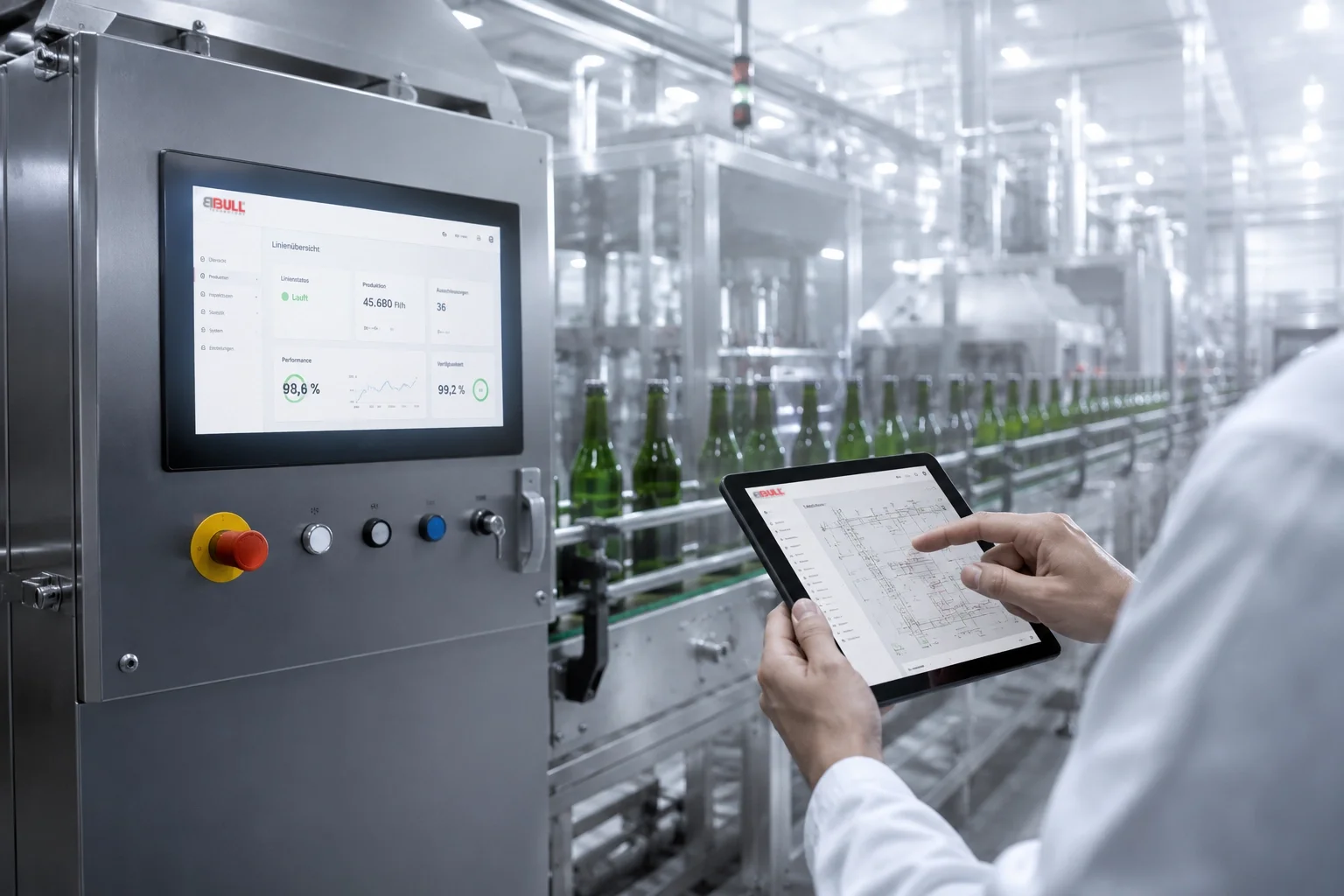
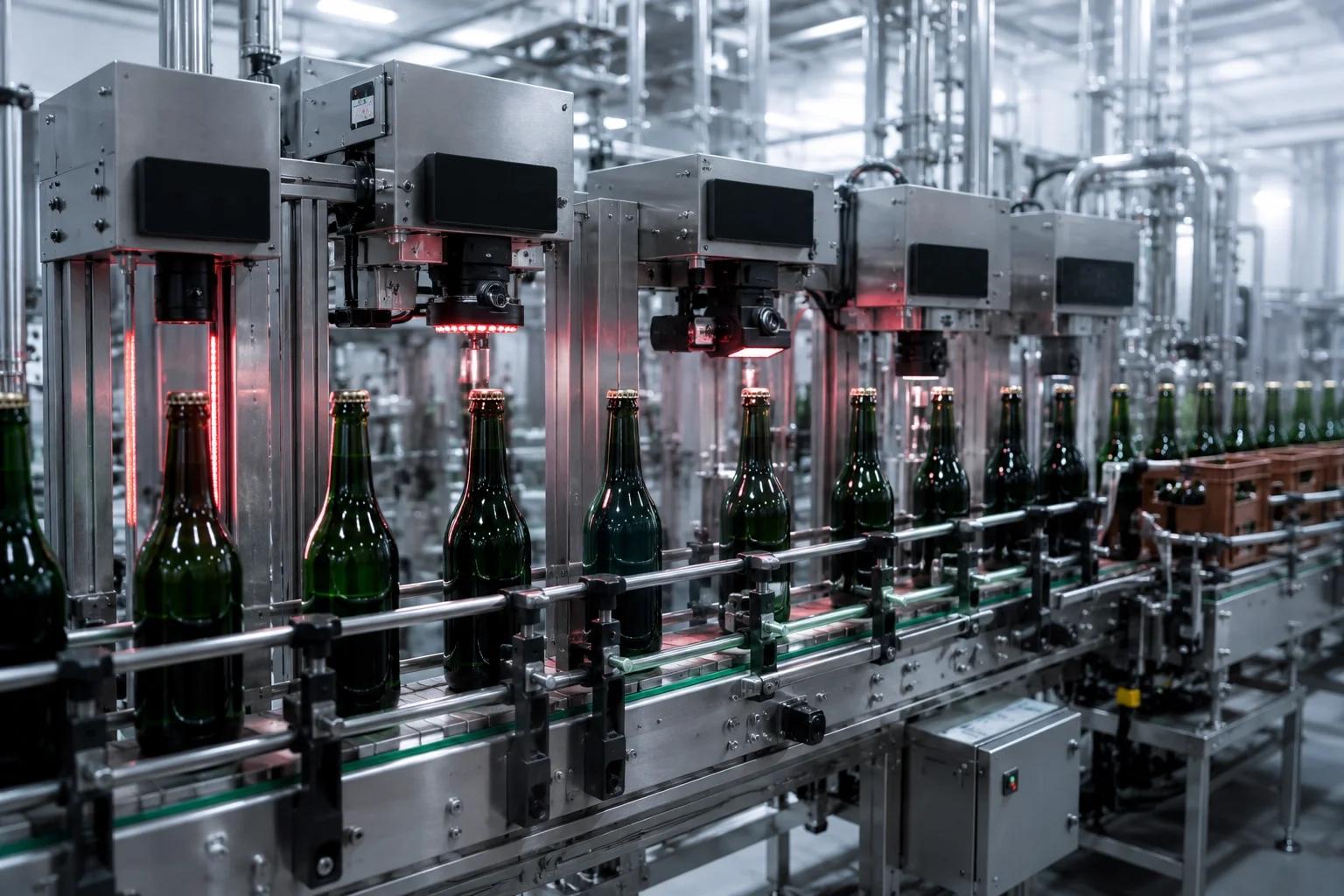
BBULL develops inspection systems for quality control in bottling and filling lines — combining accurate inspection, reliable rejection and flexible integration.
- > 1700systems since 2016
- 45+ yearsof experience in inspection technology
- 50+ countriessales and service coverage
Deployed Worldwide
Represented in more than 50 countries worldwide.
BBULL systems help filling operations worldwide reliably secure quality, availability and traceability in existing lines.





















Why BBULL
Engineered for lines that need to run reliably.
Every filling line is different. BBULL systems are therefore not conceived as rigid standard solutions, but integrated to technically match the line, the product and existing processes.
Fast Integration
Plug-&-play installation, short commissioning times and flexible connection to existing line structures.
High Availability
Robust systems, maintenance-friendly design and practical operation for continuous production.
Control & Documentation
Inspection, rejection, reporting and traceability can be combined into a controlled overall solution.
Project Process
Clearly guided from inquiry to commissioning.
For an inspection solution to work, it must fit the line, the product and the existing process. BBULL therefore manages projects in a structured way – from technical clarification to documented handover.
Inquiry & Decision
Your project topic is technically assessed: what needs to be checked, detected, documented or triggered?
Feasibility & Assignment
An application engineer evaluates the technical feasibility and the appropriate system solution.
Expert Support
Project management, engineering and application work together to ensure the solution fits the production environment.
Documented & Completed
After successful acceptance, you receive complete documentation and a clear handover.
Application Areas
What task should your line reliably solve?
From individual inspection points to combined line solutions: BBULL systems are deployed to match the specific inspection task and production environment.
Checking Fill Level & Closure
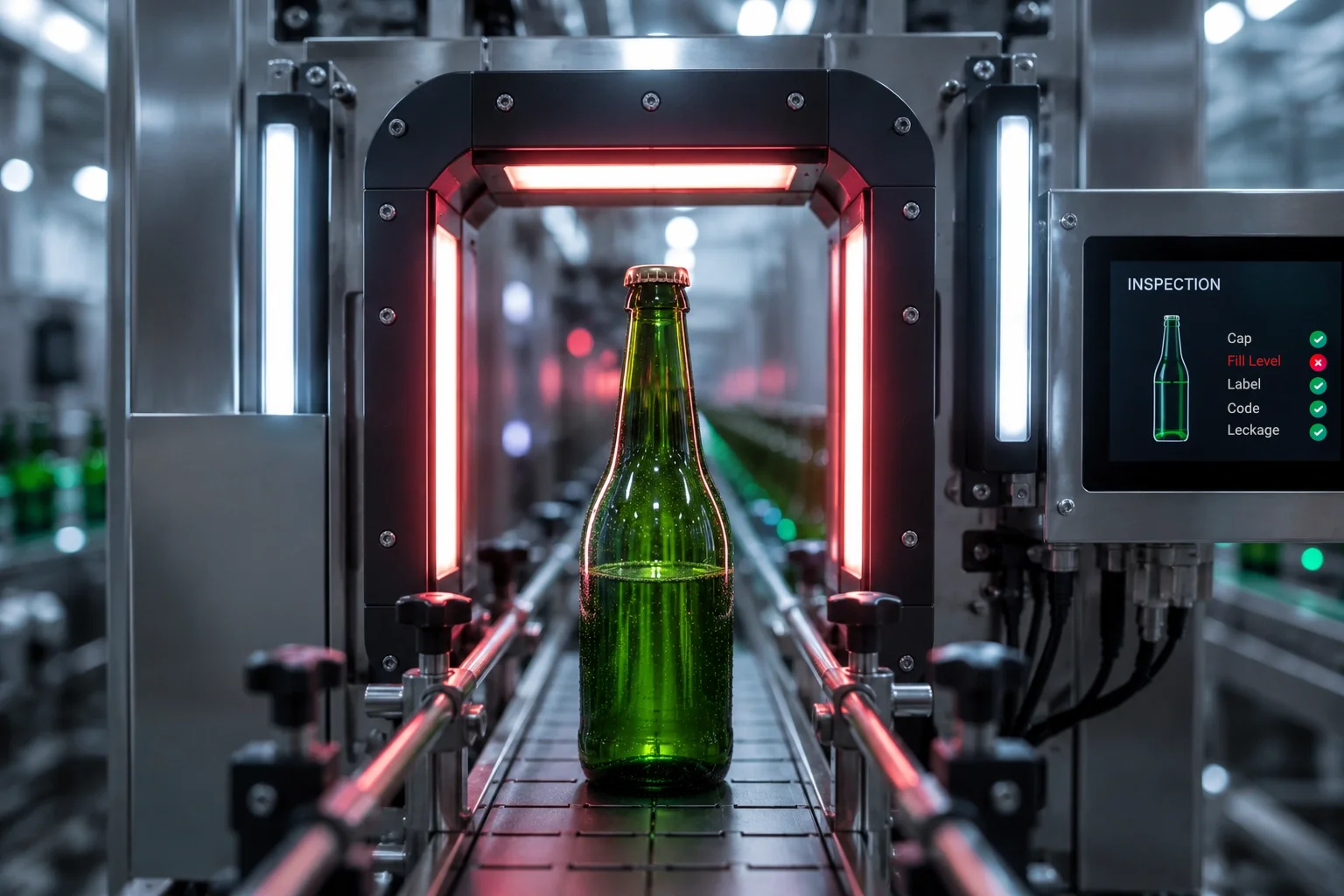
Reliably detecting underfill, overfill, cap presence, tilt and damage.
Controlling Labels, Codes & Presence
Checking label, barcode, 2D code, logo, colour and position directly on the line.
Detecting Leaks
Leak testing for containers and safe rejection of defective products.
Checking Crates, Trays & Packs
Controlling completeness, incorrect filling and gross underfill in multipacks.
Inspecting & Tracking KEGs
Capturing KEG type, spear, seal, handles, codes and cycle data.
Documenting Data & Connecting Lines
Integrating reporting, logging, interfaces and traceability into existing processes.
System Overview
Understanding BBULL systems in minutes.
A concise overview of inspection, rejection, line integration and typical application areas of our solutions for modern filling lines.
FAQ
Frequently asked questions about BBULL inspection systems.
Brief answers to typical questions about integration, project process, retrofitting and line connectivity.
BBULL systems are used for existing and new filling lines – from individual inspection points to combined solutions for inspection, rejection, tracking and documentation.
Yes. Many solutions are designed for retrofitting and integration into existing line structures. Key factors are the inspection task, space conditions, speed, containers and existing interfaces.
Typical tasks include fill level control, closure inspection, label and code control, leak detection, multipack inspection, KEG inspection as well as reporting and line connectivity.
First, the inspection task is technically assessed. This is followed by feasibility evaluation, system selection, project support, commissioning and documented handover.
Yes. Individual inspection modules can be combined with control, rejection, tracking, reporting and interfaces into a coordinated line solution.
Helpful information includes details about the inspection task, line speed, container type, product, available space, existing rejection systems and desired interfaces or documentation requirements.